
Spain has plenty of road trips, but the Costa Blanca road trip hits a different note. In one week you can climb a sea cliff over Calpe, swim in turquoise coves near Javea, walk a medieval village built into a mountain at Guadalest, photograph a pink salt lake at La Mata, and finish on the cliffs of Cabo Roig. Roughly 500 kilometres of driving, mostly on excellent roads, with one car as your base. This guide gives you a day-by-day plan, the exact stops, hidden beaches that most package tourists never see, what the trip really costs, and the best rental cars for the drive.
TL;DR: Costa Blanca Road Trip in Numbers
Here is the trip at a glance before you read the full plan.
| Item | Detail |
|---|---|
| Duration | 7 days, 6 nights |
| Total distance | ~500 km (Alicante loop) |
| Start and end point | Alicante airport (ALC) |
| Best months | April-June, September-October |
| Driving time per day | 60-120 minutes |
| Budget for two people | 800-1,200 EUR (rental, fuel, food, parking) |
| Toll cost | ~25 EUR total (or 0 EUR if you skip AP-7) |
| Main stops | Alicante, Altea, Calpe, Javea, Denia, Guadalest, Benidorm, Torrevieja |
| Hidden beaches | Cala Granadella, Cala Moraig, Playa del Algar, La Mata salt lake |
The plan is built as a coastal loop. You drive north from Alicante to Denia, swing inland to Guadalest for a mountain detour, then return south down the coast through Benidorm and Torrevieja. Distances are short, which is the whole point: you spend most days walking, swimming, and eating, not driving.
Day 1: Alicante City - Old Town and Castillo de Santa Barbara
Land at Alicante airport (ALC), pick up your car, and head straight into the city. The drive from the terminal to the historic center is 12 km and takes 15-20 minutes. Park at Parking Plaza Mar 2 or the underground garage at Plaza Puerta del Mar (around 18 EUR/day) and walk from there.
What to do on day 1
- Explanada de Espana - the wave-patterned mosaic promenade lined with palm trees. The classic Alicante photo.
- Barrio Santa Cruz - the old quarter climbing the hill behind the cathedral. Whitewashed houses, flower pots, narrow lanes. Best in late afternoon when the light hits the walls.
- Castillo de Santa Barbara - the 9th-century Moorish castle on top of Mount Benacantil. Take the free elevator from Postiguet beach (entrance under the road, easy to miss), or walk up through the old town in 25 minutes. Sunset from the upper walls is one of the best views on the Costa Blanca.
- Mercado Central - the modernist market hall. Buy fresh fruit, jamon, and olives for the next day on the road.
Where to eat
Try arroz a banda (rice cooked in fish stock) at a traditional place in El Barrio. El Portal is a refined option, Cerveceria Sento for legendary mollete sandwiches and a beer at the bar. Sleep near the old town - everything is walkable.
Day 2: Alicante to Calpe via Altea - The Cliff Climb
Distance: 85 km. Drive time: 1 hour 15 minutes on the AP-7, or 1 hour 45 minutes on the scenic N-332 coastal road.
Leave Alicante by mid-morning. Take the N-332 coastal road if you have time - it runs through Villajoyosa (the town with the famous colored houses, also home to Chocolates Valor), then climbs into the hills around Benidorm. The AP-7 is faster and costs around 7 EUR in tolls if you are short on time.
Stop in Altea
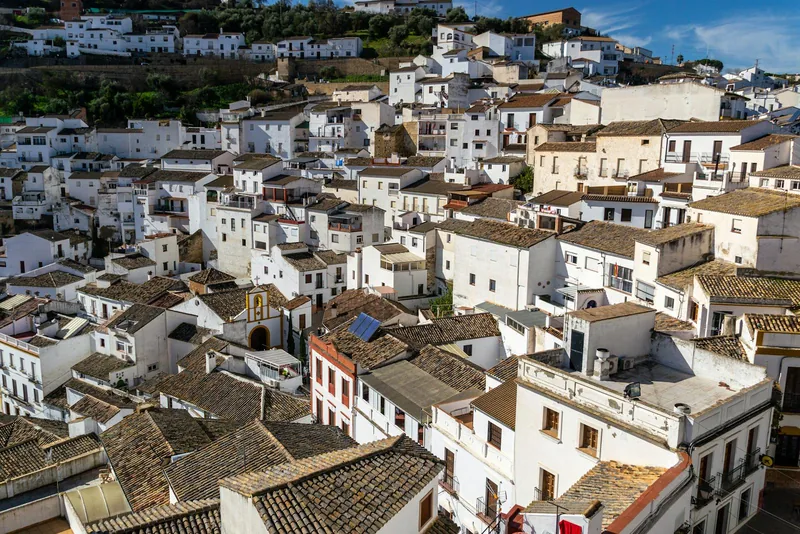
Altea is the prettiest white-village stop on the coast. Park near the beachfront and walk up to the old town. The blue-domed church at the top, the cobbled lanes, and the views over the bay are the reason photographers keep returning. Allow 90 minutes. Lunch options on the old town square are tourist-priced but the location is hard to beat.
Calpe and the Peñón de Ifach climb
From Altea, Calpe is 15 minutes further north. The town itself is functional, but the Peñón de Ifach is the headline event - a 332-metre limestone rock rising vertically from the sea. The climb to the top takes about 90 minutes round trip and includes a short tunnel and an exposed scramble section. You need proper shoes (no flip flops, no plain trainers). The reward at the summit is a 360-degree view from Benidorm to Denia.
Start the climb after 16:00 to avoid midday heat in summer. The path closes if there are strong winds or if daily visitor numbers fill up - on busy weekends, get there early. Sleep in Calpe. Try Hotel Diamante Beach on the seafront or any of the small guesthouses in the old fishermen quarter.
Day 3: Calpe to Denia via Javea and Cala Granadella
Distance: 45 km. Drive time: 1 hour with photo stops.
Today is short on driving and long on swimming. From Calpe, head north along the CV-740 toward Javea. The road winds through pine forest and gives you sea views every few minutes.
Javea old town and the port
Javea has three parts: the historic old town inland, the port (Puerto), and the Arenal beach strip. Park in the old town (free street parking outside the blue zone) and walk through the narrow stone streets. The 14th-century church of San Bartolome doubles as a fortress, with arrow slits in its sandstone walls. Stop for coffee at any of the small terraces around Plaza de la Iglesia.
Cala Granadella - the best cove on the Costa Blanca
Drive 10 minutes south of Javea on the CV-740 to Cala Granadella. The road down is steep with hairpins; park at the top in the dirt lot (3 EUR in summer) and walk down the last 200 metres if the lower lot is full. The cove itself is 150 metres of pebble beach with crystal water, a chiringuito for lunch, and dramatic cliffs on both sides. Bring snorkel gear - the underwater visibility is the best on this stretch of coast.
Continue to Denia
From Granadella, drive 25 km north along the coast to Denia. Park in town and spend the evening on the seafront. The castle of Denia sits above the harbor and is worth a 30-minute visit before dinner. Denia is officially designated a UNESCO City of Gastronomy - try the local red prawn (gamba roja) at El Port or Mena on the marina.
Day 4: Denia to Guadalest - The Mountain Detour
Distance: 75 km. Drive time: 1 hour 30 minutes through the mountains.
Today you leave the coast and head inland into the Marina Alta mountains. The drive is the destination as much as the village. Take the CV-715 from Denia toward Parcent, then follow signs for Castell de Castells and Guadalest. The road climbs through almond orchards and olive groves, passes the Coll de Rates viewpoint (popular with cyclists), and gives you wide views back to the Mediterranean.
Guadalest castle and village
Guadalest is a medieval village built on top of a rock spur, 600 metres above sea level. You reach the upper village through a tunnel cut into the rock - the only way in. The castle ruins sit on the highest point and give you views over the reservoir below (the turquoise water against the brown mountains is one of the most photographed scenes in Spain).
- Entry: 4 EUR for the castle and museum complex.
- Time needed: 2-3 hours including the village walk.
- Parking: public lots on the road below the village, 4 EUR/day.
- Eat: try cordero al horno (slow-roasted lamb) at one of the small village restaurants.
Algar waterfalls
If you have time on the drive back down the mountain, stop at Las Fuentes del Algar near Callosa d'en Sarria. A series of waterfalls and natural pools in a protected park (entry 5 EUR). Best in spring when the water is at full flow. Swim, walk the boardwalk, then continue 20 minutes to Benidorm for the night.
Day 5: Benidorm and Sierra Helada Natural Park
Distance: 25 km of local driving and walking.
Benidorm gets a bad rap as a package-holiday city, but it is the best base for a day of nature on the coast. Drop your bags, then drive 10 minutes north to the Sierra Helada Natural Park.
Sierra Helada cliff walk
This is the dramatic ridge separating Benidorm from Albir. The full hike from the Albir lighthouse to the Cruz de Benidorm is 6 km return and takes 2-3 hours. The lighthouse itself is reached on an easy paved path (1.5 km from the car park, free entry). Cliffs drop 400 metres to the sea, with views back to the Benidorm skyline. Best in the morning before the heat builds.
Old Benidorm
Back in town, skip the high-rise strip and head to the Mirador del Castell - the old castle viewpoint between Levante and Poniente beaches. This is where the photo of Benidorm from above is taken. Sunset is the prime time. From here, walk down into the old quarter for tapas and a glass of vermouth at one of the small bars on Calle Santo Domingo.
Optional: Isla de Benidorm boat trip
If you have a free afternoon, take the 20-minute boat from the harbor to the small uninhabited island. Snorkel in the protected marine reserve and return on a later boat. Round trip 15 EUR.
Day 6: Benidorm to Torrevieja via La Mata Pink Salt Lake
Distance: 95 km. Drive time: 1 hour 30 minutes on the AP-7 with the salt lake stop.
Head south. Take the AP-7 to skip the heavy summer traffic on the coastal road through Alicante. Tolls on this stretch run about 6 EUR.
La Mata salt lakes (Laguna Rosa)
Just before Torrevieja, exit for La Mata. The natural park covers two coastal lagoons - one green, one pink. The pink color comes from microorganisms that thrive in the high-salinity water and is most intense in late summer. Walk the wooden boardwalk for the best photos (the lakes are not for swimming - the salt crust is sharp and the water is harsh on skin).
- Entry: free.
- Parking: free dirt lot at the main entrance.
- Best time: golden hour, late afternoon.
- Bring: wide-brim hat - zero shade.
Torrevieja old town
Drive 10 minutes south to Torrevieja itself. The town is built around its salt industry. Walk the seafront promenade, see the salt sculpture at Plaza de la Constitucion, and stop at the Eras de la Sal - the old salt-loading docks now used as an open-air concert venue. Eat fresh seafood at Restaurante El Faro on the harbor.
Day 7: Torrevieja, Cabo Roig, and Return to Alicante
Distance: 70 km. Drive time: 1 hour 15 minutes back to ALC airport via Cabo Roig.
Last day. Drive 15 minutes south to Cabo Roig. The cliffs and small coves here are some of the cleanest water on the southern Costa Blanca - the area has held a Blue Flag for years. Park near the lighthouse and walk the cliff path. Cala Capitan and Cala Cerrada are two small coves with calm water for a final swim. Lunch at one of the seafood restaurants on the Cabo Roig promenade.
After lunch, drive back to Alicante. The trip via AP-7 is 50 minutes; via the coastal N-332 with a stop in Santa Pola for the pink Bahia Salinas, allow 1.5 hours. Return the car to the airport and fly home.
Hidden Beaches on the Costa Blanca - The Short List
If you only have time for three coves off the main tourist beaches, these are the ones to make space for.
- Cala Granadella (Javea) - covered above. Park early in summer. Best snorkeling on the coast.
- Cala Moraig (Benitachell) - dramatic cliffs, a sea cave called Cova dels Arcs you can swim into, and clear blue-green water. Park at the top, walk down 200 steps. Small chiringuito on the beach.
- Playa del Algar (El Campello) - a long sand beach a few kilometres from Villajoyosa. Quiet, free parking, river mouth at one end you can swim across.
- Cala del Moraig (Benissa) - small pebble cove tucked under cliffs. Reached by a steep path. No facilities, which is why it stays quiet.
- La Mata beach - 2 km of fine sand between the salt lake and the sea. Often empty, even in August.
Best Rental Cars for the Costa Blanca Road Trip
The trip mixes motorway, mountain switchbacks, and tight village streets. Three cars handle this best.
Hybrid - Hyundai Ioniq
If fuel economy is a priority, the Hyundai Ioniq Hybrid averages around 4.1 L/100km in mixed driving. Quiet at motorway speed, easy in the mountains, comfortable for four people. Best pick for couples or small families on a budget. From 32 EUR/day with WeOneRent.
SUV - Kia Niro
For families of four with full luggage or anyone who wants a slightly higher seating position for mountain driving, the Kia Niro is the strongest all-rounder. Bigger boot, easier visibility, still efficient. Handles the Guadalest hairpins without complaint. Good ground clearance for the dirt parking lots at Cala Granadella and La Mata.
Compact - Peugeot 208
Two people, light luggage, mostly coastal driving, and tight village parking? The Peugeot 208 is the cheapest option that does not feel underpowered. From 19 EUR/day.
See the full fleet and live availability on our cars page. All WeOneRent rentals include unlimited mileage, free child seats, no deposit blocked on your card, and free delivery to your accommodation anywhere on the Costa Blanca.
What the Trip Really Costs - Full Breakdown
Budget for two people sharing a car and a room, mid-season pricing.
| Category | Detail | Cost |
|---|---|---|
| Car rental | 7 days, Hyundai Ioniq hybrid | 225 EUR |
| Fuel | 500 km at 4.5 L/100km, 1.65 EUR/L | ~37 EUR |
| Tolls (AP-7) | Optional, 2 stretches | ~13 EUR |
| Parking | City lots, beach lots, castle | ~70 EUR |
| Accommodation | 6 nights, 3-star or guesthouses | 420-600 EUR |
| Food | Mixed: cafe lunches, dinner out | 280-350 EUR |
| Entries (castle, waterfalls) | Guadalest, Algar, museum | ~25 EUR |
| Total per couple | All in, mid-season | 1,070-1,320 EUR |
The biggest variable is accommodation. Stay in guesthouses outside the main resorts to keep costs down. Eat your big meal at lunch (menu del dia 12-16 EUR) and have tapas in the evening. With these tweaks, two people can do the full week for under 1,000 EUR including the rental.
FAQ: Costa Blanca Road Trip
What is the best time of year for a Costa Blanca road trip?
Late April to early June, and September to mid-October. Temperatures sit at 22-28 degrees, the sea is warm enough to swim from mid-May, and the roads are quiet. July and August work too, but you will need to start early at every beach and hike, and book accommodation 2-3 months in advance.
Do I need a 4x4 for this route?
No. Every road on this trip is paved and well maintained. A compact car or a hybrid sedan is the right tool. SUVs make sense for luggage and seating position, not for road conditions.
How long do I really need on the Costa Blanca?
The 7-day plan above is the sweet spot. With 5 days you can cover the coastal highlights (Alicante, Calpe, Javea, Benidorm) but you skip Guadalest and the southern beaches. With 10 days you can add Valencia city to the north and the Murcia coast to the south.
Should I take the AP-7 toll motorway or the N-332?
Take the AP-7 when you are tired, traveling at night, or on summer weekends when the coastal road backs up. Take the N-332 when you have time, want sea views, and do not mind a stop in Villajoyosa or a small town. The whole trip can be done on the N-332 with zero tolls if you prefer.
Is the Peñón de Ifach climb suitable for kids?
Kids over 8 with hiking experience and confidence on exposed paths will manage. Below that age, the scramble section near the top is genuinely steep and the drop-offs are real. Walk the lower trail to the saddle (1 km, easy) and turn back if you have small children. The view from the saddle is already excellent.
Can I do this trip without renting a car?
Most of it, no. Public transport along the Costa Blanca is fine between the big towns (Alicante, Benidorm, Calpe, Denia have decent bus links and the TRAM line connects Alicante to Denia). But Guadalest, Cala Granadella, Cala Moraig, La Mata, and Cabo Roig either have very limited buses or none at all. The point of the road trip is the freedom to stop anywhere - a car is what makes it work.
Ready to Plan Your Costa Blanca Road Trip?
The best way to make this trip easy is to start with the right car at the right pickup point. We deliver to Alicante airport (free, any time of day, no queues), to your hotel in Benidorm, or anywhere along the coast including Calpe. All rentals include unlimited kilometres, child seats, and roadside assistance, with zero deposit blocked on your card.
Pick up your car when you land, drop it back when you fly home, and spend the week where it matters - on the cliffs, in the coves, and at the table. Check live availability and prices for your travel dates.




%20(800%20x%20120%20px)%20(1600%20x%20200%20px).avif)